




FemiCore Review 2026: Ingredients, Research, Benefits & Editorial Analysis

Read our independent review of FemiCore. Explore its ingredients, research overview, product highlights, FAQs, and where to find the official website.

FemiCore Review 2026

Ingredients, Product Overview, Research Summary and Editorial Review

Published: January 14, 2026  |  Updated: July 31, 2026  |  Reading time: 11 min

Editorial Rating

Editorial Summary

At Health Insights Daily, our editorial team independently reviews wellness products using publicly available information, ingredient research, and manufacturer-provided details. This review is intended to help readers better understand FemiCore’s formulation, intended use, and the available scientific background.

Rather than making medical claims, we focus on objective information so readers can make informed decisions based on their individual wellness goals. Our analysis considers ingredient transparency, formulation quality, available research, and overall product presentation.

Product Overviewulo

Editorial Rating⭐⭐⭐⭐⭐ 9.4 / 10
Product CategoryWomen’s Wellness Dietary Supplement
Best ForSupporting daily urinary and bladder wellness as part of a healthy lifestyle
FormatOral Capsules
ServingDaily Use
AvailabilityOfficial Website
Made InUSA*
Money-Back PolicySee Official Website for Current Terms

*Based on information provided by the manufacturer.

Editorial Note:
This review reflects the independent opinion of the Health Insights Daily editorial team based on publicly available information at the time of publication. It should not be considered medical advice or a substitute for guidance from a qualified healthcare professional.

What Is FemiCore?

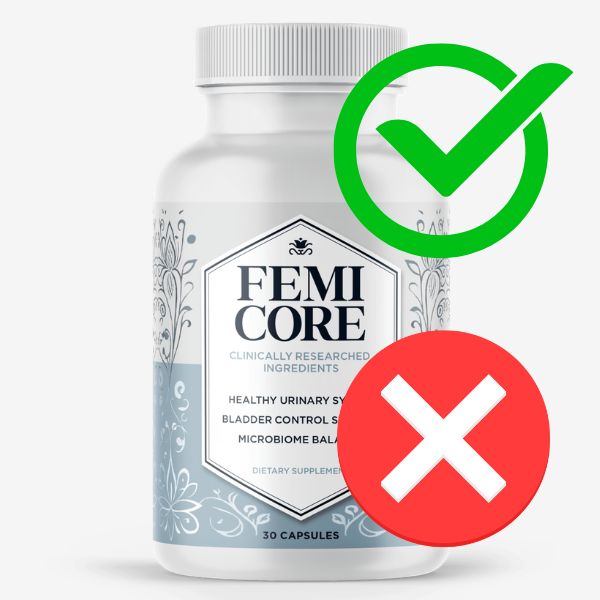
FemiCore is a daily dietary supplement marketed toward adult women who want to support day-to-day urinary and bladder comfort as part of a broader wellness routine.

Like most products in the women’s wellness category, FemiCore is formulated around a small set of plant-derived and nutrient ingredients that have each been studied — to varying degrees — in the context of urinary tract and bladder function.

How Does It Work?

FemiCore is designed to be taken daily, with the idea that consistent use over several weeks allows the ingredients to build up and support the urinary system over time, rather than producing an immediate effect after a single dose.

Dietary supplements are not required to demonstrate effectiveness to the FDA before going to market, and FemiCore has not been evaluated by the FDA for any specific health claim.

Main Ingredients

Mimosa Pudica

Mimosa Pudica is a botanical ingredient traditionally used in herbal wellness practices. It contains naturally occurring plant compounds with antioxidant properties and has been studied for its role in supporting overall health and maintaining the body's natural balance.
Bearberry

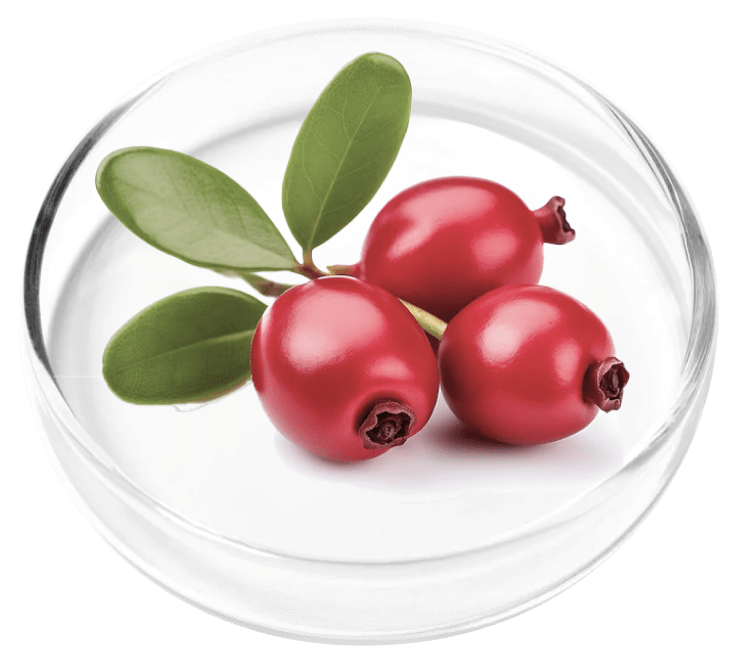
Bearberry (Arctostaphylos uva-ursi) has a long history of traditional use in herbal wellness. It is valued for its naturally occurring compounds and is commonly included in formulations designed to support normal urinary tract health and everyday wellness.

Cranberry Extract

Cranberry Extract is rich in naturally occurring polyphenols and antioxidants. It is widely recognized for supporting urinary tract wellness and is frequently used as part of a healthy lifestyle focused on maintaining normal urinary health.
Granular Berberine

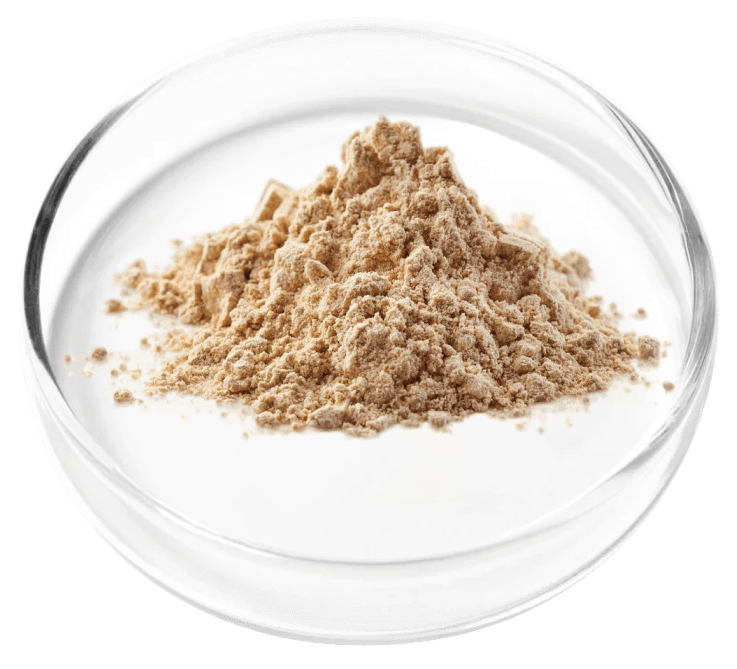
Berberine is a plant-derived compound found in several botanical species. It has been extensively studied for its role in supporting metabolic health and maintaining a healthy balance within the body as part of an overall wellness routine.

Lactobacillus Crispatus

Lactobacillus crispatus is a naturally occurring probiotic species commonly found in a healthy vaginal microbiome. It helps support microbial balance and contributes to maintaining a healthy environment as part of normal feminine wellness.

Lactobacillus Acidophilus

Lactobacillus acidophilus is one of the most researched probiotic strains. It helps support digestive health and contributes to maintaining a balanced microbiome, which plays an important role in overall wellness.
Research Overview

Recent research on the categories of ingredients commonly used in women’s wellness supplements has produced mixed findings. Several botanical extracts, probiotics, and naturally occurring compounds have been investigated for their potential role in supporting normal urinary tract function, microbiome balance, and overall wellness. However, the strength of the evidence varies considerably between individual ingredients, and additional high-quality clinical research is still needed.

It is also important to distinguish research conducted on individual ingredients from research evaluating a finished dietary supplement. While some ingredients included in products like FemiCore have been studied independently, these findings should not be interpreted as evidence that the complete formulation will produce the same outcomes.

As with many dietary supplements, product quality, formulation, consistency of use, and individual health factors may all influence the overall experience. Readers are encouraged to review publicly available research alongside the manufacturer’s information before making any purchasing decision.


Editorial Note:

The information presented above is intended for educational purposes only. Individual ingredients have been studied in different scientific contexts, and research continues to evolve. Dietary supplements are not intended to diagnose, treat, cure, or prevent any disease. Always consult a qualified healthcare professional before making changes to your health or wellness routine.

Pros and Cons

Pros

Cons

Frequently Asked Questions

FemiCore is marketed as a daily supplement to support general urinary and bladder wellness in adult women. It is not intended to treat, cure, or prevent a diagnosed medical condition.

Formulas in this category typically center on pumpkin seed extract, D-mannose, cranberry extract, and magnesium. Check the current label for exact amounts.

Most studies measure outcomes over weeks to months of consistent daily use, not after a single dose.

FemiCore as a finished product does not have a publicly listed clinical trial. Its ingredient categories have been studied in separate human trials.

The individual ingredients are generally well-tolerated in studied doses. Talk to a healthcare provider before starting if pregnant, nursing, or on medication.

Clinical trials have generally reported mild or no significant side effects, most commonly minor digestive discomfort in some individuals.

No. A diagnosed urinary tract infection should be evaluated and treated by a healthcare provider.

Anyone with a known allergy to its ingredients, anyone pregnant or nursing without medical clearance, and anyone currently being treated for a urinary tract condition.

FemiCore is sold directly through its official website.

That depends on your goals and expectations — it may be a reasonable option to discuss with a healthcare provider, not a guaranteed treatment.

Editorial Opinion

After reviewing FemiCore’s ingredient profile, publicly available research, and the information provided by the manufacturer, our editorial team believes the product is positioned as a dietary supplement intended to support women’s daily wellness, particularly in relation to urinary and bladder health.

Several of the ingredients included in the formula have been individually studied in different scientific contexts. While some research suggests they may play a role in supporting normal urinary tract function, digestive balance, or the microbiome, it’s important to recognize that evidence on individual ingredients does not necessarily establish the effectiveness of the finished product itself.

Like many dietary supplements, individual experiences may vary depending on personal health, lifestyle, and consistency of use. FemiCore should not be viewed as a replacement for professional medical care, diagnosis, or prescribed treatment.

For readers interested in learning more, we recommend reviewing the complete ingredient list, product information, current pricing, and manufacturer policies directly through the official website before making any purchasing decision.

Editorial Transparency

Health Insights Daily publishes independent educational reviews based on publicly available information, ingredient research, and manufacturer disclosures. Our content is intended to help readers better understand wellness products and should not be interpreted as medical advice, diagnosis, or treatment recommendations.

Final Takeaway

For individuals looking to learn more about FemiCore, visiting the official website is the best way to access the latest product information, ingredient details, availability, and any current offers provided by the manufacturer.

──────────────────────────────

🎥 OFFICIAL PRESENTATION

Before making any purchasing decision,
watch the official presentation.

✔ Product Overview

✔ Ingredients

✔ Daily Use Information

✔ Current Availability

✔ Manufacturer Information

──────────────────────────────

Ready to Learn More?

Visit the official FemiCore website to see the full ingredient panel, current pricing, and today’s availability.

Referências científicas:

  1. Carnes MU, Siddiqui NY, Karstens L, Gantz MG, Dinwiddie DL, Sung VW, Bradley M, Brubaker L, Ferrando CA, Mazloomdoost D, Richter HE. Tipos de comunidades do microbioma urinário associados à gravidade da incontinência urinária em mulheres. American Journal of Obstetrics and Gynecology. 2024 Mar 1;230(3):344-e1. doi:10.1016/j.ajog.2023.10.036.
  2. Wu P, Chen Y, Zhao J, Zhang G, Chen J, Wang J, Zhang H. Microbioma urinário e fatores psicológicos em mulheres com bexiga hiperativa. Frontiers in cellular and infection microbiology. 2017 Nov 27;7:488. doi:10.3389/fcimb.2017.00488.
  3. Govender Y, Gabriel I, Minassian V, Fichorova R. Evidências atuais sobre a associação entre o microbioma urinário e a incontinência urinária em mulheres. Frontiers in Cellular and Infection Microbiology. 2019 May 1;9:133. doi:10.3389/fcimb.2019.00133.
  4. Heid M. A verdade sobre seus absorventes internos [Internet]. Time; 2016 [citado em 9 de abril de 2024].
  5. Reuters. FDA alerta unidade da J&J sobre reclamações de absorventes internos [Internet]. Reuters; 2012 [citado em 9 de abril de 2024].
  6. Komesu YM, Richter HE, Carper B, Dinwiddie DL, Lukacz ES, Siddiqui NY, Sung VW, Zyczynski HM, Ridgeway B, Rogers RG, Arya LA, Mazloomdoost D, Gantz MG; Rede de Distúrbios do Assoalho Pélvico. O microbioma urinário em mulheres com incontinência urinária mista comparado a controles de idade semelhante. International Urogynecology Journal. 2018 Dez;29(12):1785-1795. doi:10.1007/s00192-018-3683-6.
  7. Mandal AK, Pandey A, Sah RK, Baral A, Sah P. Potencial antioxidante e antimicrobiano in vitro da Mimosa pudica da região de Terai, no Nepal: uma visão sobre a L-mimosina como agente antibacteriano. Evidence-Based Complementary and Alternative Medicine. 7 de outubro de 2022;2022:6790314. doi:10.1155/2022/6790314.
  8. Mei Z, Li D. O papel dos probióticos na saúde vaginal. Frontiers in Cellular and Infection Microbiology. 2022 Jul 28;12:963868. doi:10.3389/fcimb.2022.963868.
  9. Meštrović Popovič K, Povalej Bržan P, Langerholc T, Marčun Varda N. O impacto da suplementação com Lactobacillus Plantarum PCS26 no tratamento e recorrência de infecções do trato urinário em crianças – um estudo piloto. Journal of Clinical Medicine. 2022 Nov 27;11(23):7008. doi:10.3390/jcm11237008.
  10. Molina MA, Melchers WJ, Núñez-Samudio V, Landires I. O papel emergente de Lactobacillus acidophilus no microambiente cervicovaginal. The Lancet Microbe. 2024 Jan 1;5(1):e6-7. doi:10.1016/S2666-5247(23)00315-4.

© 2026 Health Insights Daily. Statements on this page have not been evaluated by the Food and Drug Administration. This product is not intended to diagnose, treat, cure, or prevent any disease. Health Insights Daily may receive compensation from links on this page (Affiliate Disclosure).